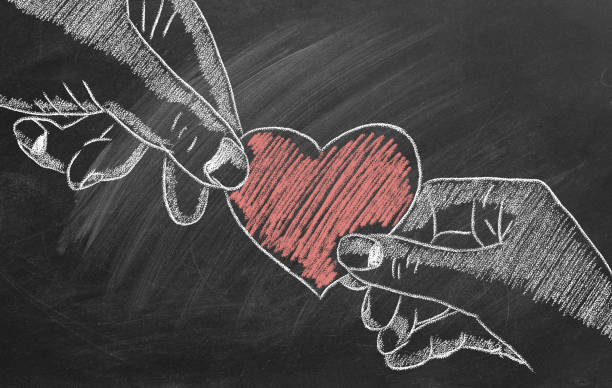
Stroll Eight: Forgiveness
Every May, this garden’s azalea shrubs forgive the freezing temperatures and icy winds of the recent winter and bloom in vivid color. For humans, of course, the process of releasing the anger and resentment we may feel for what we’ve had to endure can be far more challenging. This stroll invites you to consider forgiveness as a means not of dismissing the pain you may have experienced but of healing from it. (McCaffrey, Ruth DNP, FAAN. “Strolls for Well-Being at Brookside Gardens.”, Brookside Gardens, 2006, p. 74.
PAUSE 1
The very prospect of forgiveness signifies that we have been hurt. Author James Baldwin wrote, I imagine one of the reasons people cling to their hates so stubbornly is because they sense, once hate is gone, they will be forced to deal with pain. We must honor our pain before we can consider forgiveness. Have you acknowledged any feelings of anger, hurt, or sadness you have been harboring? What is it like to recognize and accept these emotions? (McCaffrey, Ruth DNP, FAAN. “Strolls for Well-Being at Brookside Gardens.”, Brookside Gardens, 2006, p. 74).
Journal Entry 1
Yes, I have harbored anger and hurt for many years. For some, I have apologized to for others, I don’t feel like there has been enough effort on their part for me to do more on my end. Recognizing it is one thing, but holding on to any of these emotions is not healthy. I’ve learned that holding onto negative emotions only breeds more negativity. You have to process the hurt, address the responsible party that causes it, and move forward.
Update to Pause 1
Acknowledging anger, hurt, and sadness is something that I can easily recognize; however, processing those feelings and getting to the root cause is new for me. I’ve been conditioned in my childhood to not talk back, so I never had the opportunity to speak freely about my feelings when I was hurt. In my adulthood, I allowed myself to be conditioned into not processing my feelings. I was okay to be hurt, but I was not given a space to feel that emotion, process it, and address the issue. Instead, I was told that I was holding on to the past (although it just happened) and that I needed to quickly move on from it and let it go. And so I did, in order to keep the peace. I have been conditioned since childhood to suppress my feelings because it was not safe for me to explore them. Which then led me to the same experience (in a different form) in my romantic relationship. In both cases, I never felt that I was safe to speak up for myself without consequences. But oh boy, once I did, my whole world shifted. More about that to come later.
PAUSE 2
In autumn, the leaves of the trees turn golden and begin to fall to the ground. The light that filters onto the plants and paths takes on a distinct quality as cold approaches. Later, spring brings a sense of renewal; growth and greenery abound even after the azaleas have finished blooming. Consider forgiveness as a changing of seasons, a transition between ways of being. What falls away, and what does that clear space for? (McCaffrey, Ruth DNP, FAAN. “Strolls for Well-Being at Brookside Gardens.”, Brookside Gardens, 2006, p. 74).
Journal Entry 2
N/A
Update to Pause 2
Forgiveness opens a path for a new beginning. When I forgive, it allows me to address the issue at hand, let it be, and move forward with hope of a new beginning. I’ve struggled with forgiveness in the past because I was never taught conflict resolution. In my opinion, forgiveness is easier when you no longer have to interact with the person who harmed you in the same way you did before.
PAUSE 3
Forgiveness is not something we automatically owe to the individual or entity that hurt us. Forgiveness is not necessarily for them at all, but for us as we seek to move forward. It is a choice we can make if we feel our lives would be better for it, a choice that, far from requiring us to deny the reality of our heartbreak, is in fact all the more powerful for that reality. Theologian Lewis Smedes wrote, To forgive is to set a prisoner free and discover that the prisoner was you. Consider whether, and how forgiveness might set you free. (McCaffrey, Ruth DNP, FAAN. “Strolls for Well-Being at Brookside Gardens.”, Brookside Gardens, 2006, p. 75).
Journal Entry 3
Forgiveness is the most powerful tool anyone can do for themselves. I never understood how people can forgive those who have hurt them. I now know that forgiveness is not for them to feel comfortable but for me.
Update to Pause 3
Forgiveness allows you to not harbor the negative emotions of the interaction that caused hurt/pain and release it. Forgiveness sets you free because it allows you to stay true to yourself and not let the hurt become part of you. If not, you allow the person who hurt you to have control and power over you.
PAUSE 4
Difficult as it may seem to forgive others, forgiving ourselves can feel even more impossible. Our ego might reject the very notion that we have done wrong; and once we can admit our wrongdoing, we may have trouble showing ourselves compassion for it. Self-forgiveness can be a long process with many sticking points. Identify the parts of the process where you struggle, and ask yourself what is getting in the way.
Journal Entry 4
It’s hard for me to give myself when I repeat the same mistake. However, I know that I need to learn how to deal with those issues, so when I’m confronted with them again, I won’t respond the same way.
Update to Pause 4
Lately, I’ve learned and have been practicing giving myself grace. Allowing myself to be imperfect and make mistakes because I know I can learn and grow from it. I don’t get as upset with myself anymore about my choices because a lesson will come from it. I’m human, I’m here to experience the world, and I know sometimes I do things for the plot of it all. However, I’m self-aware enough to not linger in places that I’ve outgrown or no longer fulfill me.
PAUSE 5
For many, forgiveness is bound up with love. Do you agree with Catholic saint Mother Teresa that If we really want to love, we must learn to forgive? As you contemplate the relationship between forgiveness, love, and compassion, think not only about love for others but also about love for yourself. A peace prayer first published in the early 1900s reads, For it is in giving that we receive, it is in pardoning that we are pardoned. Reflect on how, in forgiving others, you might nurture compassion for yourself. (McCaffrey, Ruth DNP, FAAN. “Strolls for Well-Being at Brookside Gardens.”, Brookside Gardens, 2006, p. 75).
Journal Entry 5
Yes, I do agree that if we really want love, we have to forgive because not forgiving means you’re still bothered by it and holding onto hurt. When you forgive someone, at least for me, I feel empathy for them. By forgiving others, you free yourself from negative feelings.
Update to Pause 5
I still agree with Mother Teresa’s saying; however, I would like to add that self-love is far more important than external love. Because one can not experience true external love until you learn and love yourself unconditionally. Forgiving others means you accept they are human like you and make mistakes. However, I have learned that forgiveness does not mean the behavior is acceptable, the event that led to hurt never occurred, that reconciliation is required, or that consequences don’t occur.
In our society, I know from experience that forgiveness has been weaponized. Forgiveness for some means that they can do harm to you, be forgiven, and do it again because you inturn should forgive them. Growing up, the cycle for me looked like this: hurt, harm, apology, do it again. Hurt, harm, apology, do it again. As a child, I was unable to have autonomy over my person, so I was stuck in this cycle unwillingly. Because as a child, I was in a perpetual cycle of hurt, harm, and apology from my mother, I naturally fell into the same pattern in my romantic relationship. I didn’t realize I had the power to walk away, even as an adult, because walking away was never an option for me as a child. The cycle just continued, and the person was never held accountable for their actions, and when they were, they became the victim. This was the same pattern that was repeated in my marriage.
PAUSE 6
Throughout history, humans have reckoned with the fact that the universe, so full of beauty and joy, is also full of suffering. Anger is a natural reaction to the pain the world inflicts. You have thought about forgiveness not as something owed but as a means of moving forward; indeed, the universe does not beg to be forgiven; the question is whether releasing our anger and resentment would benefit us. What would it mean to forgive the universe for the pain you have experienced? How might doing so impact your life? (McCaffrey, Ruth DNP, FAAN. “Strolls for Well-Being at Brookside Gardens.”, Brookside Gardens, 2006, p. 75).
Journal Entry 6
I forgive the universe for the pain I experienced because I had to go through it to learn, and the universe knows that.
Update to Pause 6
When you are placed in situations that are out of your control, such as with your family. You do not get to choose what family you are born into. With that in mind, whatever negative experiences occur within your family dynamic are given to you to learn and grow from. It’s kind of fucked to say, but you truly don’t know what love is until you’ve experienced pain. It’s part of the human experience, and I believe it’s a test to see if you will let the pain and anger life gives you consume you. Or will you, is it for what it is, learn from it, grow, and stay true to yourself.





Leave a comment